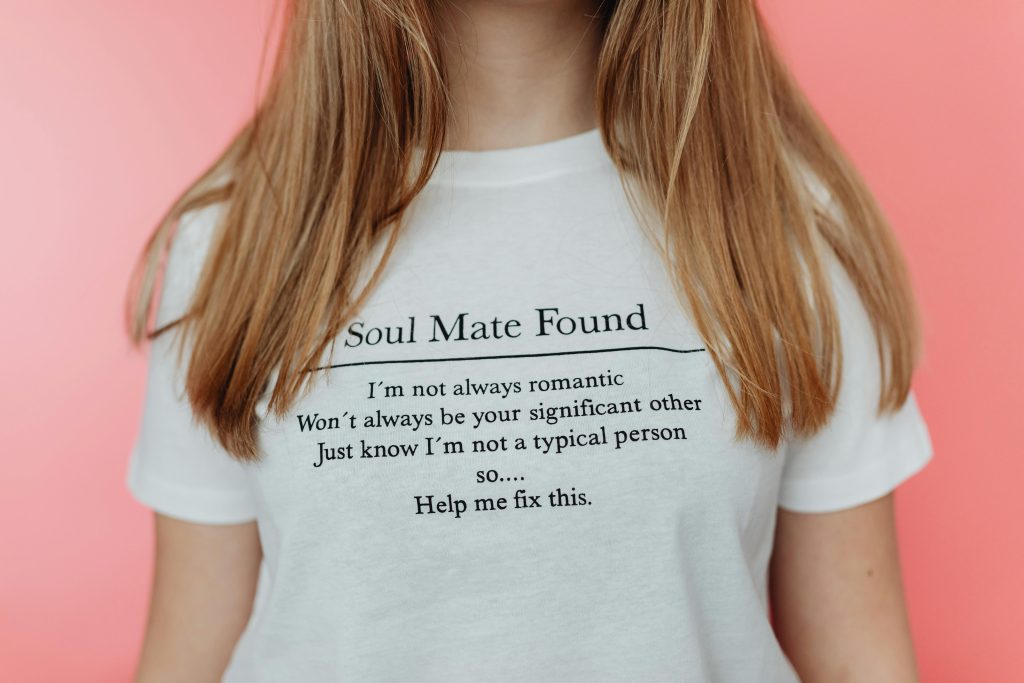
Humor on uniforms and merch isn’t just a nice-to-have; it’s a strategic lever. Used correctly, witty lines on tees, polos, hats, and totes can humanize your brand, spark conversations, and support measurable business outcomes. If you operate a branded apparel franchise, the goal is not “be funny”—it’s “be useful, memorable, and on-brand” in ways that scale across locations.
Principles First: Short, Safe, Strategic
Before anything hits the press, define the job your message must do.
Keep copy brief, inclusive, and easy to read, and run every line through a simple approval rubric so humor supports brand outcomes—not just laughs.
- Lead With Purpose: Every line should serve a business objective: attract attention at events, invite questions at retail, reinforce values for teams in the field.
- Keep It Short: Six to eight words maximize legibility at a distance and lower production risk (fewer hyphens, cleaner curves on caps).
- Stay Safe and Inclusive: No put-downs, politics, or inside jokes that require context. Humor should welcome, not divide.
- Design for Readability: Bold, open sans-serif fonts; strong color contrast; front-of-garment placement for primary messages and sleeves/labels for subtle “easter egg” lines.
- Standardize Approvals: Create a shared rubric that checks brand fit, clarity, longevity, and trademark/IP risk before anything goes to press. This keeps quality high across locations while protecting equity and compliance.
Where Humor Belongs (And Why)
Match message to moment.
Use tees and totes to spark attention at events, polos and aprons to invite customer questions, and hoodies or jackets to reinforce team mantras—each placement chosen for a purpose.
- Events and Conferences: Tees and totes act as mobile billboards, drawing booth traffic and post-event social mentions.
- Customer-facing Roles: Polos and aprons should be friendly and functional—clear first, witty second—so customers immediately know who can help.
- Internal Culture: Hoodies and jackets can reinforce mantras that drive behavior (“Plan. Build. Learn.”) and strengthen team identity without shouting the brand.
Governance for a Branded Apparel Franchise
Consistency is a competitive advantage.
Centralize an approved library of lines, fonts, and colorways, let locations request combinations for local needs, and measure results so winning ideas scale across every market.
- Centralize the Library, Decentralize Requests: Maintain a living catalog of pre-approved lines, fonts, colorways, and placements. Let local managers request combinations for specific use cases (grand openings, hiring drives), while brand reviews final prints to ensure consistency.
- Batch and Rotate: Release small, themed “drops” (e.g., “Ops Pride,” “Customer First”) and retire underperformers after a cycle. This keeps freshness high without fragmenting the look.
- Measure Like a Campaign: Track sell-through by line, add discreet QR tags on back prints or hangtags to monitor scans to careers pages or event signups, and use that data to inform the next drop.
Ready-to-print Lines by Item (Business-friendly, PG-rated)
Treat these examples as starting points to tailor to the audience and use cases.
Keep language clean, legible at a distance, and aligned with your value proposition so each garment becomes a conversation starter.
Tees (Attention Magnets)
- “Work smarter. Snack sooner.”
- “Meetings ↓, Momentum ↑”
- “Data in, drama out.”
- “Ship it. Fix it. Learn.”
Polos (Clear First, Witty Second)
- Left chest: “Here to help.”
- Sleeve: “Ask me anything.”
- Back yoke: “Because time matters.”
Hoodies (Culture Carriers)
- “Low ego. High output.”
- “Zero drama deploys.”
- “Ops: the original influencers.”
Caps & Beanies (Keep it Tight)
- “In the build.”
- “Ship happens.”
- “Problem solver.”
Totes & Backpacks (Mobile Billboards)
- “Carry the mission.”
- “Packed with potential.”
- “This bag closes loops.”
Production Realities That Shape Winning Copy
The press shapes the prose. Line length, placement, fabric, and contrast all affect readability and durabilRity, so write with curves, seams, and wash cycles in mind to protect quality and costs.
- Placement and Line Length: Chest and center prints get seen first; keep lines compact for curved brims and seams.
- Material Mood: Technical shells prefer minimal, confident lines; cozy fleece tolerates warmer, self-aware quips.
- Color and Ink Choices: High-contrast pairs increase read distance and durability; avoid ultra-thin scripts that break down after washes.
A Simple Framework to Scale Ideas
When you need more lines fast, rely on patterns.
Role pride, three-verb mantras, “less X, more Y” trade-offs, and self-aware humility provide reliable templates that stay fresh without drifting off-brand. Consider:
- Role Pride: “Finance: the calm in chaos.”
- Process Mantra: “Plan. Build. Refactor.”
- Trade-off Inversion: “Less noise. More signal.”
- Self-aware Humility: “Low friction. High trust.”
- In-the-moment: “In stand-up.” / “In the field.”
Pitfalls to Avoid
Don’t let clever crowd out clear.
Overprinting, tiny type, niche jargon, and one-off requests create noise and cost; batching releases and retiring weak performers keeps the line tight and effective.
- Overprinting: If everything’s a joke, nothing stands out. Keep staples clean.
- Tiny Type: If it can’t be read from three meters, it’s decoration.
- Jargon Traps: Internal slang ages quickly; favor a universal language with light insider nods.
- One-off Chaos: Ad-hoc requests inflate costs and fragment the brand; batch them.
Turn Wit Into Wearable ROI
Treat apparel copy like headlines—concise, inclusive, and tied to a clear purpose—and you’ll turn everyday garments into conversation starters that compound brand equity. With smart governance, testing, and measurement, a branded apparel franchise can convert wit into word-of-mouth while protecting consistency across every location.
*Sponsored Blog Post