Every construction site presents unique challenges and risks. Whether you are a worker, contractor, or site manager, understanding the most frequent hazards and proper safety measures is vital to preventing injuries and fatalities. Anyone concerned about workplace incidents or seeking legal guidance may benefit from consulting a construction accident lawyer in Pittsburgh when issues arise on-site or following an accident.
From heavy machinery to hazardous chemicals, construction environments demand a proactive approach to safety. Awareness, regular training, and strict adherence to safety regulations are crucial for safeguarding everyone involved. Besides regulatory requirements, establishing a strong safety culture is one of the proven ways to reduce accidents and empower workers to spot and report hazards before they cause harm.
Because the construction industry constantly evolves, so too must the practices that protect its workforce. While the hazards may be familiar, technology, equipment, and materials are always changing, requiring updated training and procedures to remain effective. Regular safety reviews and open communication ensure both seasoned and new employees are equally protected.
In addition, organizational commitment to regular safety audits and the deployment of new protective technology continues to decrease incident rates and keeps work progressing smoothly. Government organizations like the Occupational Safety and Health Administration (OSHA) provide essential guidelines and resources for site-specific management and risk control.
Fall Hazards
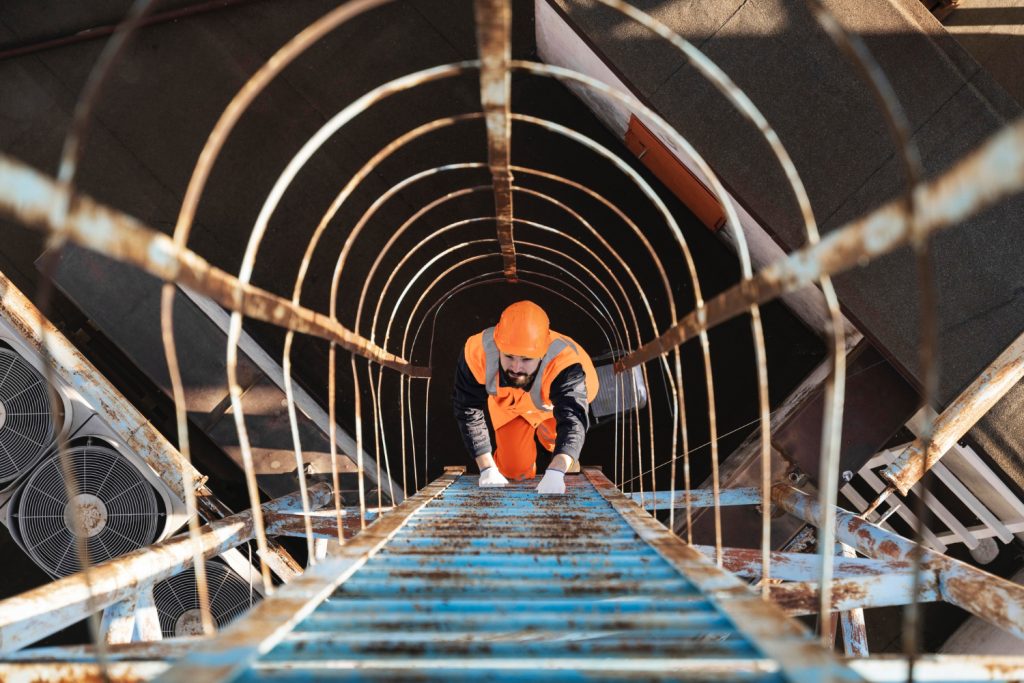
Falls remain the single most common cause of death on construction sites across the United States. Workers may fall from scaffolding, rooftops, ladders, or open-sided floors often due to inadequate protection, poor planning, or a failure to recognize risky conditions.
Prevention Strategies
- Install guardrails and toe boards where there are open edges.
- Use safety harnesses and personal fall arrest systems in all elevated work zones.
- Inspect ladders, scaffolding, and safety equipment regularly for defects.
- Cover or guard all floor holes and openings.
According to the Centers for Disease Control and Prevention (CDC), comprehensive fall prevention programs and regular site risk assessments have proven effective at reducing incidents.
Struck-By Incidents
Struck-by accidents occur when workers are hit with moving machinery, falling tools, or flying debris. These incidents can happen on any worksite but are particularly common around cranes, trucks, and forklifts.
Prevention Strategies
- Establish designated zones for vehicles and machinery separate from pedestrian pathways.
- Require all workers on-site to wear high-visibility clothing and helmets.
- Secure all materials and tools, especially when working at height.
- Ensure equipment operators are well-trained and vigilant in congested areas.
Caught-In/Between Accidents
These life-threatening accidents happen when workers are pinched or crushed between two objects such as being caught between moving parts of machinery or trapped by collapsing trenches or walls.
Prevention Strategies
- Use appropriate guards on all moving equipment and machinery.
- Implement and enforce lockout/tagout procedures before maintenance.
- Ensure all trenches deeper than 5 feet have proper cave-in protection.
- Train workers on how to identify and avoid hazardous pinch points.
Electrical Hazards
Electricity poses a significant risk when live wires or defective equipment are present. Even indirect contact, such as touching a metal ladder that is in contact with power lines, can result in severe injuries or fatalities.
Prevention Strategies
- De-energize and lock out power sources before work begins.
- Use only insulated tools designed for electrical tasks.
- Maintain minimum approach distances near power lines.
- Educate workers about hidden ground-level risks, like buried wires.
Slips, Trips, and Falls
Uneven surfaces, scattered debris, and wet or oily floors can easily cause slips or trips. These seemingly “minor” falls can still lead to broken bones, head injuries, or long-term disability.
Prevention Strategies
- Keep the worksite well-organized, with debris promptly removed.
- Place warning signs and use slip-resistant mats in high-risk areas.
- Ensure adequate lighting throughout all work and transit paths.
- Address water or oil spills immediately with the right cleaning agents.
Hazardous Chemical Exposure
Contact with hazardous substances, such as paints, adhesives, or solvents, can cause respiratory problems, skin irritation, or even long-term illnesses, such as cancer.
Prevention Strategies
- Properly label and store all chemicals.
- Provide Safety Data Sheets (SDS) at accessible locations.
- Ensure adequate ventilation when working with volatile substances.
- Require the use of gloves, masks, and goggles when specific hazards are present.
Equipment-Related Injuries
Heavy machinery, like cranes and bulldozers, is a leading cause of traumatic injuries on construction sites. Most equipment incidents stem from improper use or lack of training.
Prevention Strategies
- Train only certified personnel to operate heavy machinery.
- Establish visual and audible warning protocols for moving vehicles.
- Implement a regular maintenance schedule for all site equipment.
Ergonomic Hazards
Repetitive tasks, awkward body positions, and frequent heavy lifting are major contributors to musculoskeletal injuries among construction workers.
Prevention Strategies
- Automate or mechanize repetitive or heavy processes where feasible.
- Rotate workers through different tasks to minimize strain.
- Train employees on safe lifting techniques and the use of supportive equipment.
Personal Protective Equipment (PPE)
PPE, such as hard hats, gloves, face shields, and steel-toed boots, is the last line of defense against workplace injuries. Wearing the right gear and understanding its limitations can be life-saving.
Prevention Strategies
- Require appropriate PPE for every task and enforce compliance.
- Inspect PPE regularly for defects and replace as necessary.
- Train staff on correct use, storage, and maintenance to ensure effectiveness.
Safety Training and Awareness
Continuous safety training is the backbone of every effective health and safety program. Engaged workers who recognize hazards are less likely to be injured and more likely to protect their colleagues.
Prevention Strategies
- Offer onboarding training for new hires and refresher sessions for existing staff.
- Conduct regular safety meetings to discuss current hazards and near misses.
- Provide task-specific training before new or dangerous work begins.
By embracing a proactive safety mindset and adhering to the highest standards, construction sites can minimize hazards, ensuring everyone goes home safe and healthy at the end of the day.