Introduction
Organizations in every industry are under intense pressure to make accurate hiring decisions quickly, especially in today’s hyper-competitive job market, where top talent is often snapped up within days. The traditional method of sorting through resumes and conducting a handful of interviews no longer provides sufficient insight, given the complexity of modern roles and evolving workforce expectations. Relying solely on traditional hiring tools, such as resumes and interviews, can leave critical gaps in evaluating whether a candidate is truly the right fit, as these methods are highly subjective and often fail to reveal underlying strengths or areas for development. Increasing numbers of companies are incorporating pre-employment testing to introduce more rigor, objectivity, and predictive accuracy into their hiring processes, thereby shifting the focus to fact-based decision-making. These data-driven insights provide a much-needed upgrade to outdated methods, helping businesses adapt to the evolving needs of the modern workforce, where adaptability and job-related skills often outweigh experience alone.
As organizations compete for top talent, objective screening measures have become a vital means of securing high-performing employees who can deliver results and adapt quickly. Pre-employment assessments provide a structured, fair, and scalable approach for evaluating capabilities that go far beyond what’s represented in traditional applications. They enable hiring teams to systematically assess vital attributes, such as learning potential, problem-solving ability, integrity, communication skills, and alignment with company values and team culture. From cognitive ability to cultural fit, these assessments ensure decision-makers are equipped with the information they need to forecast success for virtually any role. This leads to smarter hiring decisions and helps leaders minimize the cost of expensive turnover or underperformance down the line.
What Are Pre-Employment Assessments?
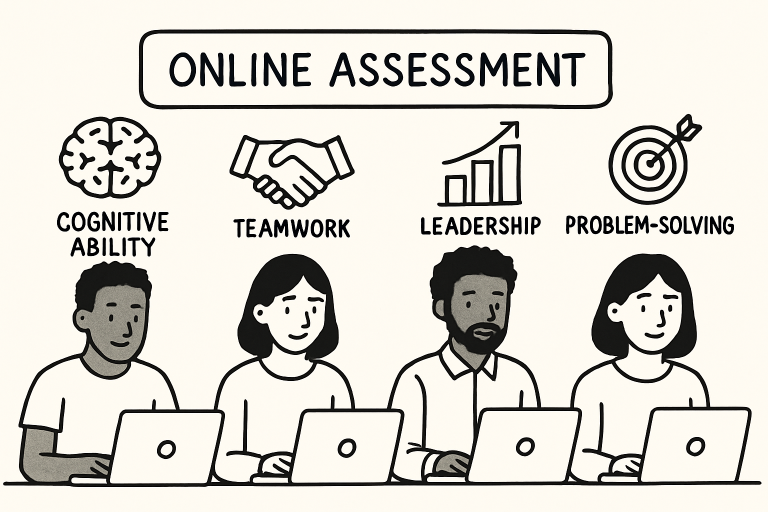
Pre-employment assessments encompass a wide range of standardized tests and questionnaires administered to candidates before a hiring decision is made. These evaluations are designed to measure qualities such as cognitive ability, personality traits, emotional intelligence, problem-solving skills, and job-specific competencies, providing a well-rounded profile of each applicant. Many of these tools are research-backed and tailored to different roles or industries, providing employers with actionable feedback on both strengths and potential gaps. The data generated empowers employers to go beyond surface-level impressions and understand how each applicant may perform and thrive in the role over the long term, not just during the interview.
According to SHRM, well-designed assessments can help organizations identify candidates who will both excel in the position and fit the company’s culture, dramatically reducing the risk of making costly hiring mistakes. This is especially important given the high expense associated with turnover and the strategic importance of building teams that work well together. With objective data points, hiring managers can align candidates more closely with the job’s demands while minimizing personal biases and blind spots that can creep into decisions.
The Shift Towards Skills-Based Hiring
Increasingly, companies are adopting a skills-based hiring framework that emphasizes real-world ability and measurable potential over traditional pedigrees, such as degrees or prior titles. This approach recognizes that success on the job is often determined by applied skills, learning agility, and cultural contribution rather than by the name on a diploma. Instead of screening candidates out based on their educational background or previous job titles, employers can access a more diverse and qualified talent pool, unlocking potential from candidates with non-linear career paths, self-taught expertise, or unconventional experiences.
In fact, a Forbes report revealed a nearly fourfold rise in job postings that have removed degree requirements over the last decade, underscoring the seismic shift towards evaluating tangible, job-relevant skills. This trend reflects the reality that many of today’s fastest-growing career fields move too quickly for academic credentials to keep up, making the ability to assess for up-to-date expertise and potential much more valuable.
Benefits of Pre-Employment Assessments
- Improved Hiring Accuracy: Objective assessment data enables organizations to identify top talent with greater precision, significantly decreasing the risk of making poor hires. Instead of making decisions based on gut instincts or a candidate’s “likeability,” companies can rely on validated results that predict job performance and team success.
- Time and Cost Efficiency: Digital assessment tools automate early screening, minimize manual review, and accelerate the overall selection process. By quickly filtering out unqualified candidates and surfacing the best matches, employers can dedicate more time to high-value conversations and strategic decisions, reducing costs associated with protracted searches and failed placements.
- Enhanced Candidate Experience: Standardized testing fosters transparency and fairness, offering a level playing field for all applicants. When candidates understand that hiring decisions are made objectively and based on real competencies, it fosters trust in the process. It boosts engagement, even for those who may not ultimately receive the job.
Integrating AI in Pre-Employment Assessments
Artificial Intelligence is fundamentally changing how employers evaluate job seekers. AI-powered assessments can analyze vast volumes of candidate data to uncover predictive insights on job performance, work style, and long-term fit. For example, AI can parse written responses or video interviews and compare patterns to those of successful hires, allowing organizations to make data-driven decisions faster and with less bias than ever before. These tools streamline the hiring process while reducing unconscious human errors in judgment. However, organizations must remain vigilant to ensure these solutions are free from bias. Addressing ethical concerns and maintaining transparency are crucial elements of responsible implementation, as highlighted in a recent research study examining bias in AI-driven video interview assessments. Ongoing audits and third-party validation are necessary to ensure that, as technology advances, the commitment to fairness and equal opportunity remains intact.
Challenges and Considerations
- Candidate Fatigue: Overly lengthy or repetitive tests may deter strong applicants and negatively impact the employer brand. Companies need to balance the richness of data collected with the overall experience to avoid losing out on great talent who are unwilling to engage with an unnecessarily arduous process.
- Potential Biases: Poorly crafted assessments can replicate or amplify existing biases unless rigorously monitored and updated. Regular review, validation, and updates are crucial for safeguarding against discrimination and ensuring that tests accurately measure what truly matters for each role and organizational culture.
- Legal Compliance: Employers must comply with employment laws and ensure the fair and defensible use of testing in hiring decisions. This includes documenting the relevance of assessments to job performance, providing reasonable accommodations, and staying current with evolving regulations around data privacy and equal opportunity.
Best Practices for Implementing Pre-Employment Assessments
- Customize Assessments: Design assessments tailored to the unique competencies and success factors of each role. Using a one-size-fits-all approach diminishes the value of pre-employment testing and may overlook competencies that are essential for certain positions or teams.
- Ensure Fairness: Regularly review assessments for potential disparate impact and update them to mitigate bias and maintain inclusivity. This involves partnering with experts, gathering user feedback, and leveraging technology to detect and address any bias patterns as early as possible.
- Balance Length and Depth: Craft assessments that are both thorough and concise to encourage maximum candidate engagement. Shorter, well-designed tests maintain candidate interest and completion rates while still providing actionable insights for hiring teams.
Final Thoughts
The future of hiring is powered by rigorous, data-driven evaluation strategies that promote both efficiency and fairness. As pre-employment assessments become a cornerstone of modern talent acquisition, companies that prioritize their thoughtful implementation will gain a significant edge in securing the best-fit candidates and fueling organizational success. With an increasingly evolving landscape shaped by skills, analytics, and artificial intelligence, leveraging these tools can help ensure long-term benefits for both people and businesses. Those organizations willing to invest in evidence-based hiring will not only outpace their competitors in securing exceptional talent but also gain a competitive advantage. Still, they will also contribute positively to a more diverse and high-performing workforce.