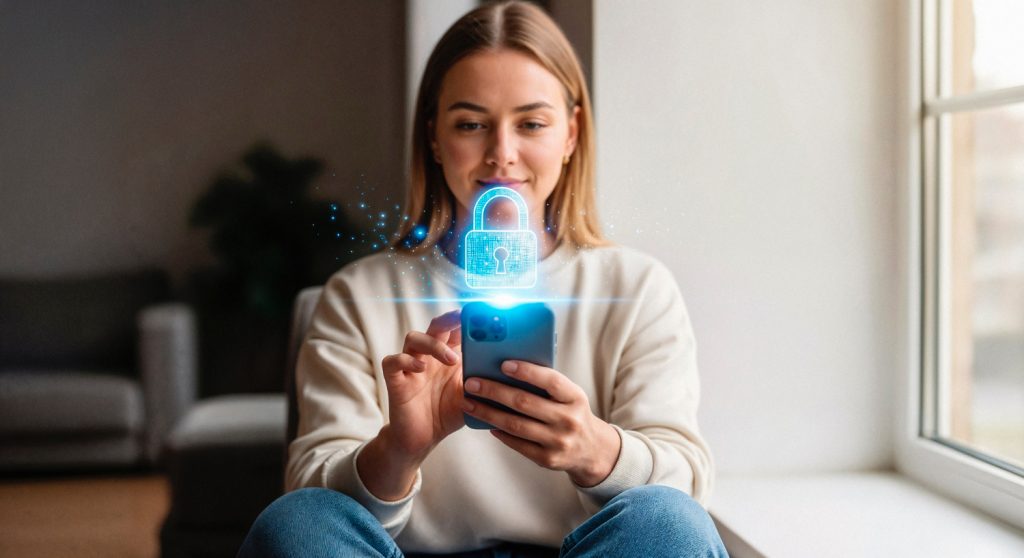
The self has always been something we protect-a name, a story, a reputation carried from place to place. But in the digital age, that self has been translated into strings of numbers, passwords, and profiles scattered across servers we will never see. Identity is now both intimate and abstract: as close as a fingerprint on a screen, as distant as a data center on another continent. “Guarding the Self: Identity Theft in a Digital Age” explores what happens when this digitized version of who we are is copied, traded, or quietly taken over. Identity theft is no longer confined to stolen wallets and forged signatures; it has evolved into a silent, persistent threat woven into everyday routines-online shopping, social media, banking with an app on a train ride home. The very conveniences that define modern life create new doors, windows, and cracks through which an unseen intruder might slip. This article examines how identity is constructed and exposed online, the methods used to steal it, and the consequences when that fragile digital self is compromised. It also considers what it means to “protect yourself” when your likeness, your habits, and your history exist in places you cannot personally lock. In navigating this terrain, the question becomes not only how we guard our data, but how we guard the idea of who we are in a world that constantly asks us to share it.
Understanding the New face of Identity Theft in a Hyperconnected World
What used to mean a stolen wallet or a forged signature has evolved into something far slipperier: a constantly shifting mosaic of data points that can be copied, traded, and weaponized without ever touching your physical life. Your “self” is now dispersed across cloud servers, fitness trackers, loyalty cards, gaming profiles, and work collaboration tools-each one a tiny window for someone to climb through. Identity theft no longer relies solely on brute-force hacks; it thrives on quiet observation, social cues, and behavioral breadcrumbs. A convincing impostor doesn’t just know your birthday; they know how you write emails, when you’re usually online, and which apps you’re likely to trust without thinking.
In this landscape, threats look less like cartoonish “hackers” and more like subtle distortions of your digital reflection. Modern thieves mix together data leaks, public social media posts, and AI-generated content to fabricate identities that can bypass both human suspicion and automated checks. Consider how quickly everyday conveniences can turn into attack vectors:
- Smart homes that leak routines, locations, and voice samples
- Single sign-on logins that open multiple doors with one stolen key
- Biometric shortcuts that can be mimicked with high-resolution images
- Generative AI tools that create believable messages, voices, and faces
| Old Pattern | New Pattern |
|---|---|
| Stolen Credit Card | Stolen Digital Persona |
| One-time Fraud | Ongoing Account Impersonation |
| Paper Documents | Leaked, Shared, and Sold Data Trails |
How Everyday Digital Habits Quietly Expose Your Most Personal Data
Every click, tap, and scroll leaves a faint fingerprint that, when stitched together, resembles a complete portrait of who you are. The songs you queue late at night, the routes you map on your phone, the “harmless” quizzes you take on social media-each becomes a scrap of identity data waiting to be harvested. Advertisers, data brokers, and even opportunistic criminals can infer astonishingly intimate details from patterns that appear trivial in isolation. A slightly unusual shopping time, a repeated food-delivery order, a sudden change in commuting behavior: all of thes can hint at your work schedule, relationship status, health, or financial situation. You’re not just using apps; you’re revealing habits, emotions, and routines that can be profiled with unsettling precision.
What makes this exposure especially insidious is its invisibility. Many everyday conveniences quietly trade your privacy for frictionless experiences, embedding data extraction into the design itself. Some of the most revealing habits look like this:
- Autofill and saved logins that store not only usernames but often addresses, phone numbers, and card details.
- Location sharing with weather apps, ride services, and photo tagging, mapping your movements hour by hour.
- “Free” Wi‑Fi connections that track browsing behavior across cafés, airports, and hotels.
- Social media reactions that betray mood, beliefs, and social circles more accurately than many surveys.
- Smart home commands that reveal sleep patterns, presence at home, and lifestyle rhythms.
| Habit | Hidden Signal | Risk Snapshot |
|---|---|---|
| Late-night browsing | Stress, insomnia, or shift work | Targeted scams during vulnerable hours |
| Frequent password resets | Low security hygiene | Easier account takeover |
| One-card online shopping | Centralized payment trail | Single breach, widespread fallout |
| Location tags on posts | Home, work, and routine routes | Predictable patterns for stalkers or thieves |
Practical Defenses to Lock Down Your Online Identity Before Thieves Strike
Think of your digital life as a series of doors and windows-each account, app, and device is another possible entry point. Start by sealing the obvious gaps: use a password manager to generate long, random passphrases and never reuse them, then switch on multi-factor authentication (MFA) wherever it’s offered, especially for email, banking, and social media. Harden your “forgot password” backdoors by removing easily guessed answers and treating security questions like extra passwords: fictional answers only you know,stored securely. Keep your operating system, browser, and antivirus updated so that known exploits are patched before criminals can automate their way into your world. When in doubt, assume public Wi‑Fi is hostile-use a trusted VPN or wait until you’re on a secured connection before checking anything money‑ or data‑related.
Beyond the basics, train your habits to be suspicious by default. Scrutinize unexpected emails, texts, and DMs, especially those that ask you to “verify” information or reset credentials; when something feels urgent, slow down and contact the company through a trusted channel instead of using embedded links. Limit what you share on social media-birthdays, pet names, locations, and family details can all be weaponized as password guesses or security answers. You can also shrink your digital footprint by pruning old accounts, revoking app permissions, and opting out of data brokers where possible. These small, consistent moves turn your identity from an open target into a hardened profile that’s far less attractive to attackers.
- Use a password manager to avoid reusing logins.
- Enable MFA on email, banking, and key apps.
- Update devices and apps to close known security holes.
- Verify requests using official websites or phone numbers.
- Share less data publicly to reduce what thieves can exploit.
| Risky Habit | Stronger Choice |
|---|---|
| Using one password everywhere | Unique manager‑generated passwords |
| Clicking links in urgent emails | Visiting the site directly |
| Posting full birthdate online | Sharing only month and day-or nothing |
| Logging into banks on public Wi‑Fi | Using cellular data or a VPN |
Responding to a Breach and Rebuilding Your Digital Self With Confidence
Discovering that your identity has been compromised can feel like waking up in a home where every lock has silently changed. The first step is to pause, document everything, and move in deliberate, coordinated motions. Begin with immediate containment: contact your bank and card issuers to freeze or replace accounts, place a fraud alert with major credit bureaus, and change passwords starting with email, cloud storage, and financial services. Enable multi-factor authentication everywhere it’s offered, and revoke app permissions you no longer recognize. As you move, keep a written or digital log of every call, reference number, and email-this becomes both a map of what’s been done and a shield if you need to dispute charges or prove a timeline.
Once the bleeding is stopped, focus on rebuilding a calmer, more resilient digital identity-less a fortress of fear than a well-lit neighborhood. Treat every new account or profile as a deliberate construction, not a reflexive click. Consider establishing separate “personas” for different parts of your life (finance, work, social), each with its own email and security posture, so that a breach in one doesn’t avalanche through the rest. As you rebuild, cultivate habits that make trust visible and intentional:
- Curate Your Footprint: Prune old profiles, remove needless personal details, and tighten privacy settings.
- Rotate Credentials: Use a password manager to maintain long, unique passwords and rotate them on a schedule.
- Verify Before You Share: Treat urgent messages and “verification” links as suspicious until independently confirmed.
- Schedule Security Rituals: Monthly checkups of credit reports, account activity, and recovery options.
| Phase | Focus | Key Action |
|---|---|---|
| First 24 Hours | Containment | Lock cards, change core passwords |
| First Week | Stabilization | Dispute fraud, set alerts and freezes |
| Next 90 Days | Rebuilding | Reorganize accounts, refine privacy |
Final Thoughts…
Identity is both our most intimate possession and our most exposed asset. The same networks that connect us, empower us, and remember us also watch, record, and sometimes exploit us. To live in this digital age is to accept that our reflection no longer lives only in mirrors, but in databases, profiles, and algorithms that never sleep. Guarding the self, then, is no longer a passive act. It is a daily practice of awareness-reading the small print, questioning the urgent email, revisiting what we share and why. It is learning to leave smaller footprints in places that never forget, and to recognize that convenience often asks a quiet price.
There is no returning to a world before passwords and profiles, before data trails and digital doubles. But within this networked reality, there is still space for agency. Each choice-to secure an account, to limit a disclosure, to verify a source-is a thread in a larger shield we weave around who we are. Identity theft may be a defining risk of our time, yet it does not have to define us. Between absolute vulnerability and absolute control lies a more realistic path: an informed, vigilant presence online. In choosing that path, we do more than defend our data; we reclaim, piece by piece, the narrative of the selves we carry into the digital future.