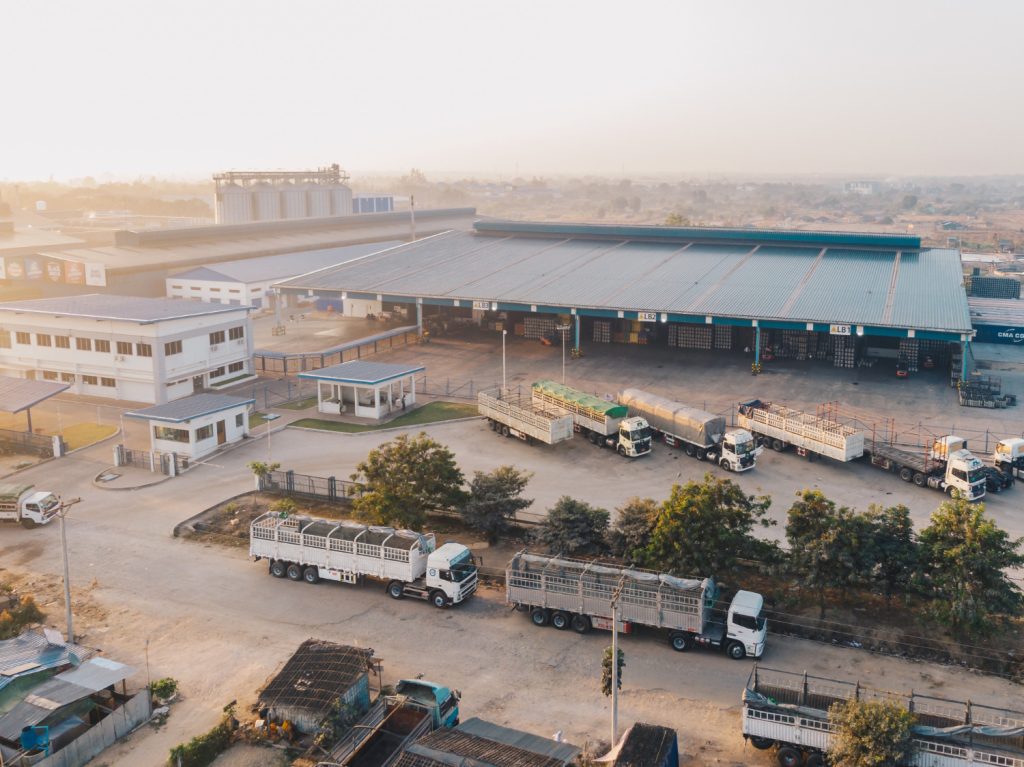
Modern organizations managing both fleet operations and physical facilities face an increasingly complex challenge: ensuring seamless coordination between mobile assets and fixed infrastructure. It’s not just about having vehicles and buildings anymore; it’s about making them work together as a unified system. As businesses expand their operational footprint and embrace digital transformation, the need for stronger oversight mechanisms has become absolutely critical. Here’s the reality: effective coordination between fleet and facility management can dramatically reduce operational costs, improve safety outcomes, enhance productivity, and create a more responsive organizational structure. Organizations that invest in comprehensive oversight systems don’t just maintain control; they position themselves to respond quickly to changing market demands while keeping tight control over their distributed assets.
The Critical Role of Centralized Visibility
Establishing centralized visibility across both fleet and facility operations creates a foundation for effective decision-making and resource allocation. When managers can view real-time data from vehicles, equipment, buildings, and infrastructure through unified dashboards, they’re no longer flying blind; they gain unprecedented insight into operational efficiency. This comprehensive visibility enables rapid identification of bottlenecks, inefficiencies, and emerging problems before they escalate into costly disruptions. Think about it: organizations with centralized oversight can track vehicle locations alongside facility utilization rates, energy consumption patterns, maintenance schedules, and personnel deployment all at once.
Synchronizing Maintenance Schedules and Asset Availability
One of the most significant benefits of improved oversight lies in the synchronization of maintenance activities across fleet and facility assets. Nobody wants critical vehicles sitting idle during facility downtime, and coordinators certainly don’t want building systems undergoing maintenance while fleet operations demand maximum facility capacity. Smart scheduling systems can analyze historical performance data, manufacturer recommendations, and operational forecasts to optimize maintenance timing across all assets, and they do it far better than manual planning ever could. This approach minimizes disruption to business operations while ensuring that both mobile and fixed assets receive necessary preventive care.
Leveraging Data-Driven Performance Metrics
Strong oversight systems generate vast quantities of operational data that, when properly analyzed, drive continuous improvement initiatives across both fleet and facility management. Key performance indicators such as fuel efficiency, space utilization, energy consumption, route optimization, and asset availability provide objective measures of operational effectiveness. Data-driven approaches eliminate guesswork from management decisions and enable evidence-based resource allocation strategies that work. Organizations can establish baseline performance metrics and track progress toward specific improvement goals while identifying best practices that can be replicated across different operational units. When managing distributed operations across multiple facilities and mobile assets, professionals who need to capture and analyze real-time sensor data from diverse sources rely on IoT data historian software to provide the unified data foundation necessary for comprehensive performance analysis. Advanced analytics platforms can predict future maintenance needs, forecast capacity constraints, and recommend optimal deployment strategies based on historical patterns and current conditions. The transition from intuitive management to data-driven oversight represents a fundamental shift that empowers organizations to compete more effectively in resource-constrained environments where every advantage counts.
Enhancing Communication Between Operational Teams
Effective coordination requires robust communication channels that connect fleet managers, facility supervisors, field personnel, and executive leadership in real-time collaboration. Modern oversight platforms provide integrated communication tools that break down traditional departmental silos and foster cross-functional teamwork that gets results. When drivers can instantly report facility issues they observe during deliveries, and facility managers can communicate access restrictions to fleet coordinators without endless phone tag, the entire organization operates more cohesively. Structured communication protocols ensure that critical information flows efficiently to appropriate decision-makers without creating information overload or bureaucratic delays that frustrate everyone.
Implementing Scalable Technology Infrastructure
Successful oversight programs require technology infrastructure that can scale alongside organizational growth and evolving operational requirements. Cloud-based platforms offer flexibility and accessibility that traditional on-premise systems simply cannot match, enabling remote monitoring and management from any location with internet connectivity. Scalable solutions accommodate increasing numbers of vehicles, facilities, sensors, and users without requiring complete system overhauls or prohibitive capital investments that strain budgets. Integration capabilities ensure that new technologies can connect with existing enterprise systems, protecting previous investments while enabling incremental improvements.
Conclusion
Improving fleet and facility coordination through stronger oversight represents a strategic imperative for organizations seeking operational excellence in competitive markets. The integration of centralized visibility systems synchronized maintenance protocols, data-driven decision frameworks, enhanced communication channels, and scalable technology infrastructure creates a comprehensive approach to asset management that delivers real results. Organizations that commit to systematic oversight improvements realize measurable benefits including reduced operational costs, improved safety records, enhanced regulatory compliance, and increased organizational agility. As technology continues to evolve and stakeholder expectations rise, the gap between organizations with strong oversight capabilities and those relying on traditional management approaches will only widen, making current investments in coordination systems essential for long-term success and competitive survival.